Bac à litière automatique vs bac à litière traditionnel : lequel est le meilleur ?
Si vous hésitez à investir dans un bac à litière automatique, il est utile de le comparer à l'alternative classique : un bac à litière standard ouvert ou fermé.
Voici une comparaison directe.
Entretien quotidien
- Plateau traditionnel :
- Ramassez les excréments au moins une fois par jour (plus souvent si vous avez plusieurs chats).
- Nettoyage complet et changement de la litière au moins une fois par semaine.
- bac à litière autonettoyant
- Bac à marc vidé tous les quelques jours.
- Litière complétée au besoin.
- Nettoyer en profondeur moins souvent.
Si votre emploi du temps est chargé, l'automatisation devient rapidement l'option la plus confortable.
Contrôle des odeurs
- Plateau traditionnel :
- Cela dépend beaucoup de la fréquence à laquelle vous ramassez.
- Des odeurs s'accumulent si vous vous absentez ou si vous oubliez.
- bac à litière autonettoyant
- Élimine les paquets après chaque utilisation.
- Stocke les déchets dans un compartiment scellé.
- Comprend souvent des caractéristiques supplémentaires de contrôle des odeurs.
Dans les petits logements ou les appartements, cette différence est énorme.
Coût au fil du temps
- Plateau traditionnel :
- Faible coût initial.
- Coût continu de la litière, des sacs et du nettoyage supplémentaire.
- bac à litière autonettoyant
- Coût initial plus élevé.
- Une utilisation plus efficace de la litière dans de nombreux cas.
- Gagne du temps et réduit les coûts cachés du temps de nettoyage.
Au fil des mois et des années, de nombreux propriétaires de chats estiment que la commodité et la propreté justifient l'investissement.
Confort et hygiène du chat
- Plateau traditionnel :
- Fonctionne si c'propre, mais beaucoup de chats évitent les bacs sales.
- bac à litière autonettoyant
- Reste propre plus longtemps.
- Encourage l'utilisation régulière.
- Réduit le risque d'accidents en dehors de la boîte.
Un environnement propre et sans odeur est tout simplement plus agréable pour vous et votre chat.
Qui devrait choisir quoi ?
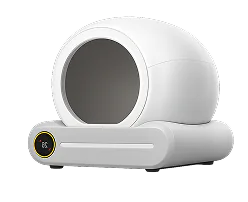
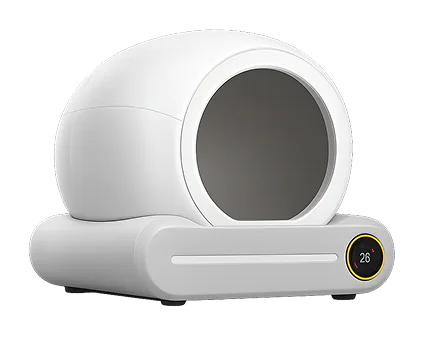
un bac à litière automatique pour chat est particulièrement idéal si :
- Vous avez un emploi du temps chargé ou voyagent fréquemment.
- Vous vivez dans un petit espace où les odeurs sont perceptibles.
- Vous partagez votre foyer avec plus d'un chat .
- Vous voulez passer moins de temps à ramasser et plus de temps à profiter de votre chat.
Un plateau traditionnel peut toujours convenir si :
- Vous êtes souvent à la maison et cela ne vous dérange pas de ramasser.
- Le budget est très serré.
- Les odeurs posent moins de problème (par exemple, vous avez une grande maison ou un accès à l'extérieur).
En fin de compte, une bonne litière autonettoyante transforme la pire corvée de la possession d'un chat en quelque chose de presque invisible – et c'est une nette amélioration de la qualité de vie pour tous les deux.
Le verdict : une litière autonettoyante pour chat en vaut-elle la peine ?
Étalez les chiffres sur une année et l'image s'éclaire. Un bac traditionnel coûte moins cher le premier jour, mais vous le payez en temps : dix minutes de ramassage par jour représentent environ soixante heures par an passées accroupi au-dessus des agglomérats. Une machine comme le ComfyBox Pro transforme cette corvée en la vidange d'un tiroir scellé environ une fois par semaine — et comme les déchets sont éliminés quelques minutes après chaque passage, les odeurs n'ont jamais une longueur d'avance comme dans un bac qui attend la pelle du soir.
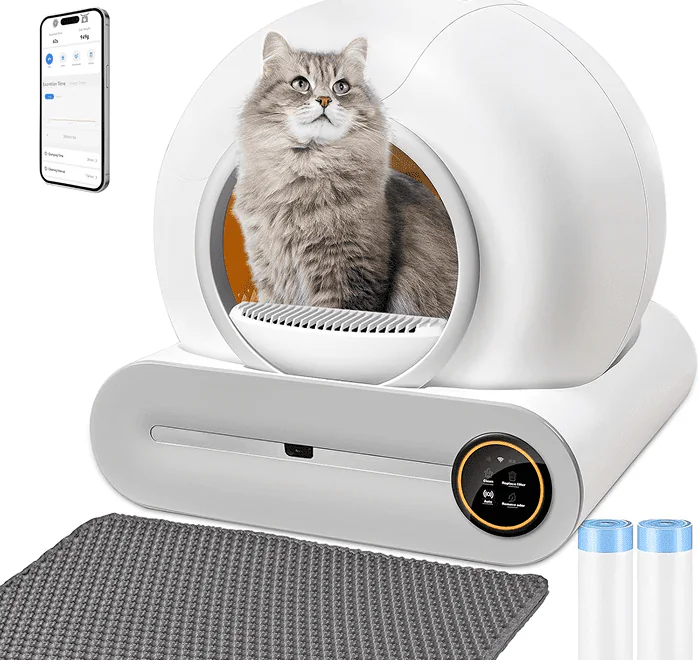
L'hygiène est la victoire discrète. Un nettoyage constant signifie moins de bactéries, moins de transport de saletés et une surface que votre chat a réellement envie d'utiliser — des organisations vétérinaires telles que International Cat Care relier les bacs sales aux accidents évitables et aux comportements de stress. Un bac autonettoyant élimine la principale cause d'évitement de la litière : le bac qui est sale lorsque le chat arrive.
Notre recommandation honnête : si vous avez un chat facile à vivre, une routine impeccable et du temps à perdre, un bon bac fait encore l'affaire. Pour les foyers à plusieurs chats, les foyers occupés et tous ceux qui sont déjà rentrés chez eux avec une odeur dans le couloir, la machine se rentabilise en temps, en propreté et en tranquillité d'esprit — chaque semaine sans exception.
Quel que soit votre choix, les principes fondamentaux restent les mêmes : les chats récompensent une litière propre par une utilisation fiable, et ils punissent une litière sale par des accidents, du stress et des visites évitables chez le vétérinaire. Choisissez l'installation que vous garderez sincèrement propre — pour la plupart des foyers occupés, c'est celle qui se nettoie d'elle-même.
Article connexe




 La plupart des propriétaires de chats ajoutent ceci